
Never Fake Empathy: What 2Pac’s “Keep Ya Head Up” teaches about empathy
Most people can tell within about thirty seconds whether a leader really cares about what they’re telling them. The words are often identical either way. “I hear you” and “that must be really hard” come out of the mouths of leaders who mean it and the leaders who are waiting for the meeting to end. The difference only shows up afterwards, in whether anything changes once the conversation is over.
The Track
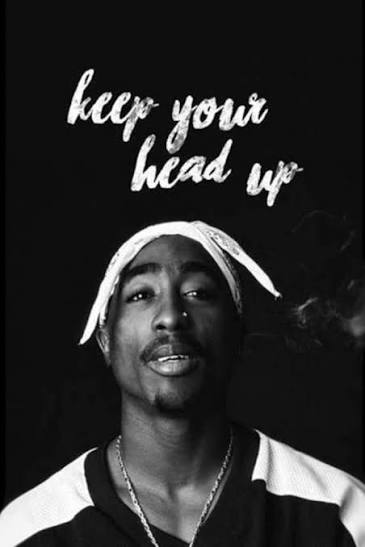
2Pac released “Keep Ya Head Up” in October 1993 as the third single from Strictly 4 My N.I.G.G.A.Z., built on a sample of Zapp’s “Be Alright” with the Five Stairsteps’ “O-o-h Child” running through the chorus. It reached number 12 on the US Billboard Hot 100, and the video opens with a dedication to the memory of Latasha Harlins, a 15-year-old Black girl shot dead in a Los Angeles shop in 1991. Her killing became one of the cases that fed the anger behind the 1992 riots.
What sets the song apart is who 2Pac is talking to. He isn’t describing Black women’s lives to an audience from a safe distance, he’s speaking directly to the women themselves: the girls who’ve been told they’re worthless. The mothers raising children on their own while carrying more than anyone around them notices. He grew up as the son of a single mother, Afeni Shakur, who appears in the video, so he wasn’t guessing at what that weight felt like.
The song also refuses to stop at sympathy. Alongside the encouragement, 2Pac turns on the men, asking why they keep abandoning the women and children who depend on them. That’s the part most people forget. It’s what separates real empathy from just sayong the right thing. ‘Pac names what’s causing the hurt, including the part his own side plays in it.
Which Pac Was Real?
There’s another side to 2Pac, and plenty of people believed it was the real one. The same album that carries “Keep Ya Head Up” also carries some of his angriest, most violent material, and over the next three years his records and his life became harder and harder to square with this song. He was in and out of court, and in February 1995 he was sentenced to between 18 months and four and a half years in prison after being convicted of sexual abuse in New York. Some of his later lyrics about women say almost the opposite of what he says on “Keep Ya Head Up”.
So his critics asked the obvious question: was the compassion the act, and the aggression the truth? I don’t believe there’s a clean answer. He was raised in poverty by a mother who had been a Black Panther, and he seems to have been capable of real tenderness and real rage, sometimes in the same week. Both were probably him.
That’s exactly why the question matters for leaders. The people you lead don’t judge your empathy by your best moment. They judge it by the version of you they meet most often, and by the one that costs them most. A Headteacher who is warm in the staff briefing and cutting in a corridor conversation hasn’t faked anything, but staff will still decide that the warmth is the performance, because the cutting version is the one they remember on the drive home.
Why Leaders Fake It
This is Commandment 5, Never Fake Empathy, and the pressure behind it is often time, or more pertinently the perception of a “lack” of it. Very few leaders set out to be cold. What happens is that the diary fills, the targets arrive with deadlines attached, and real empathy starts to feel like a luxury, because it takes longer than the alternative. Listening properly means you might hear something that requires you to change a plan, and changing a plan costs time you don’t have.
So leaders learn the performance instead, which usually shows up as an open-door policy nobody has time to use, or a wellbeing slide at the start of an INSET day that’s otherwise full of new demands (without removing any of the old ones). None of it is malicious, and most of it is well meant, but it’s a way of acknowledging someone’s situation without letting it touch any of your decisions. That’s what makes it fake, because the test of empathy was never whether you said the right thing, it’s whether the person you listened to can see any difference afterwards.
What it Looks Like in A School
The staff wellbeing survey is where most schools get caught out. Staff say, clearly and in numbers, that workload is unmanageable. The senior team thanks everyone for their honesty, puts on a wellbeing afternoon and sends a warm email about how much they’re valued. The following week a new data drop goes into the calendar. Staff aren’t stupid. They know exactly what that sequence means, which is that you listened and then carried on anyway. Next year fewer of them will bother telling you the truth.
The same thing happens with pupils and families. An attendance meeting can be run with a sympathetic tone and a template letter that opens with “we understand that things can be difficult”, while the outcome was decided before the parent walked in. Real empathy in that meeting is slower and less comfortable. It means asking what’s actually going on at home, being prepared to hear an answer that doesn’t fit the attendance policy, and then doing something different because of it, even if the standard stays where it is.
Cold, Soft and the Setting in Between
With too little empathy, a leader sees the attendance percentage and the behaviour points and stops there. The decisions are consistent and defensible, and the people on the end of them feel processed rather than led.
Too much looks kinder and does its own damage. It’s the leader who absorbs everyone’s feelings, rescues people from every difficult conversation and quietly lowers the bar because holding it feels cruel. Staff who are struggling don’t get the support they need to improve, and the staff who are coping start to wonder why they bother.
2Pac gets the setting right. He tells the women he’s speaking to that he sees what they’re carrying, and in the same song he tells them to keep their heads up, because he believes they can. Empathy at its best does both: it understands exactly how heavy the load is and still expects you to keep walking, with someone beside you who means it.
The Difference People Remember
Staff and pupils don’t remember whether you said the right words. They remember whether anything changed after they told you something hard. If it did, even something small, they learn that it’s worth being honest with you, and you get the information you need to lead well. If nothing changed, they learn that your concern is part of the routine, and they adjust what they tell you to match.
Never Fake Empathy. 2Pac didn’t write “Keep Ya Head Up” from the outside looking in, and he didn’t stop at saying he understood. He named who was being failed and who was doing the failing. That’s the standard this commandment sets. The next time someone tells you something difficult, the question to ask yourself isn’t whether you responded kindly, it’s what you’re going to do differently on Monday because they told you.
Wisdom Wednesdays draws on The 10 Character Commandments of Leadership by Adrian McLean, out now. Each week takes one track and one of the ten commandments, and the book works through all ten pressures in full, with the self-assessment and the virtue dial behind each one. Read it here: https://www.amazon.co.uk/dp/B0H8HYN78Z

